Ongoing engineering relationships

The right engineering relationship for software that matters

From support and maintenance through to continuous improvement and embedded delivery, we provide the level of involvement and responsibility your product needs.

How we work - Choose the right level of involvement

Software needs different levels of engineering attention at different stages. Some products need dependable technical support. Others need active stewardship, regular improvement or a team taking a substantial role in their ongoing development.

01 Responsive

Support & Maintenance

Working rhythm: Monthly review + as needed

Dependable engineering help when your software needs attention.

For stable products needing occasional access to experienced engineers.

Typical work

  • Investigating reported issues
  • Fixes and corrective changes
  • Dependency and framework updates
  • Releases and routine maintenance
  • Occasional small improvements

Our role: Respond when needed within available capacity. We do not continuously oversee the wider health of the product.
02 Proactive

Continuous Improvement

Working rhythm: Weekly planning & review

We actively look after the product and keep making it better.

For important software that is actively evolving and needs regular engineering attention.

Typical work

  • Ongoing enhancements
  • Maintenance and upgrades
  • Performance and reliability
  • Technical debt and monitoring
  • Releases and emerging issues

Our role: Ongoing technical stewardship, balancing development with technical health.

03 Embedded

Embedded Delivery Partner

Working rhythm: Several times a week

We operate as an extension of your engineering capability.

For products where Azuki plays a substantial role in development and technical operation.

Typical work

  • Product development
  • Architecture and technical direction
  • Infrastructure and databases
  • Mobile and web engineering
  • QA and releases
  • Reliability and operations

Our role: A substantial role in development and technical operation.

Responsibility follows involvement

More involvement means more responsibility

The difference isn’t simply how much engineering time you buy. It’s the role you need us to play.

Support & Maintenance gives you dependable access when something needs attention. Continuous Improvement gives us enough involvement to proactively look after the software. An Embedded Delivery Partnership puts Azuki much closer to the day-to-day engineering of the product.

Continuous Improvement and beyond - Good ongoing engineering isn’t just waiting for problems

When a relationship includes proactive stewardship, ongoing capacity can be used to improve the product’s technical health and make future change safer.

  • Keeping dependencies current
  • Improving automated tests
  • Addressing technical debt
  • Reviewing performance and reliability
  • Improving monitoring and error reporting
  • Strengthening deployment processes
  • Reviewing infrastructure
  • Preparing for platform or operating system changes

In practice - When something goes wrong

When an issue appears in a live product, its cause isn’t always immediately clear. We investigate first, establish what is happening and then agree the appropriate route to resolution.

Triage

An item is raised and we establish its impact, urgency and scope.

Investigation

We look across application code, infrastructure, data, third-party services and configuration.

Resolution

We resolve it under warranty, handle it through the agreed relationship or plan it as new development.

The distinction matters. A defect means the system is not behaving as agreed and is handled under the applicable warranty. An ongoing product issue, edge case or new scenario is handled through the relationship. A substantial new requirement is planned as development work.

Not sure where you fit?

Not sure what level of involvement you need?

We can look at the software, how important it is to the business and the responsibilities you need us to take on, then recommend an appropriate way of working. This includes established software built by another team or supplier.

Frequently asked questions

What’s the difference between Support & Maintenance and Continuous Improvement?

Support & Maintenance gives you dependable access when the software needs attention. Continuous Improvement gives us enough regular involvement to proactively care for the product, make improvements and manage its technical health alongside day-to-day issues.

Can you support software you didn’t originally build?

Yes. We can review the existing codebase, infrastructure, data and current risks before recommending an appropriate way of working. That gives everyone a clearer view of what taking on ongoing responsibility would involve.

Do you take responsibility for production incidents?

The scope depends on the relationship and responsibilities we agree. We can investigate incidents across application code, infrastructure, data and connected services, then agree the appropriate route to resolution.

What happens if we need a significant piece of new development?

A substantial new requirement is planned as development work. We will understand the outcome, shape the work and agree how it fits with the ongoing relationship and the software’s existing technical needs.

Do ongoing relationships include monitoring?

Monitoring and technical health work can be part of an ongoing relationship, particularly where the product’s reliability and operational performance are important. The right coverage depends on the system and the role we are taking on.

Do you provide SLAs or out-of-hours support?

Relationship level and service window are separate decisions. Where appropriate, we can discuss response expectations, service levels and out-of-hours arrangements alongside the responsibilities you need us to take on.

How do you decide how much engineering capacity we need?

We look at the software’s complexity, importance to the business, rate of change, operational risks and the responsibilities you need us to take on. Capacity supports the relationship; it is not the relationship itself.

Can we move between relationship levels?

Yes. The right level can change as the product, team or business changes. We can review the arrangement and adjust the responsibilities and capacity when the software needs a different level of involvement.

What happens to unused capacity?

That depends on the agreement. We use ongoing capacity thoughtfully, including proactive maintenance and technical health work where it is useful, and make the treatment of unused capacity clear when we set up the relationship.

Can you take over from an internal team or another supplier?

Yes. We can help establish a clear understanding of the software, its risks and its current responsibilities before taking on the role that fits. That might be dependable maintenance, continuous improvement or a broader delivery partnership.

Want to understand the thinking behind this?

Software needs ongoing care to remain effective

Read how we think about maintenance, technical health and keeping software reliable as it evolves.

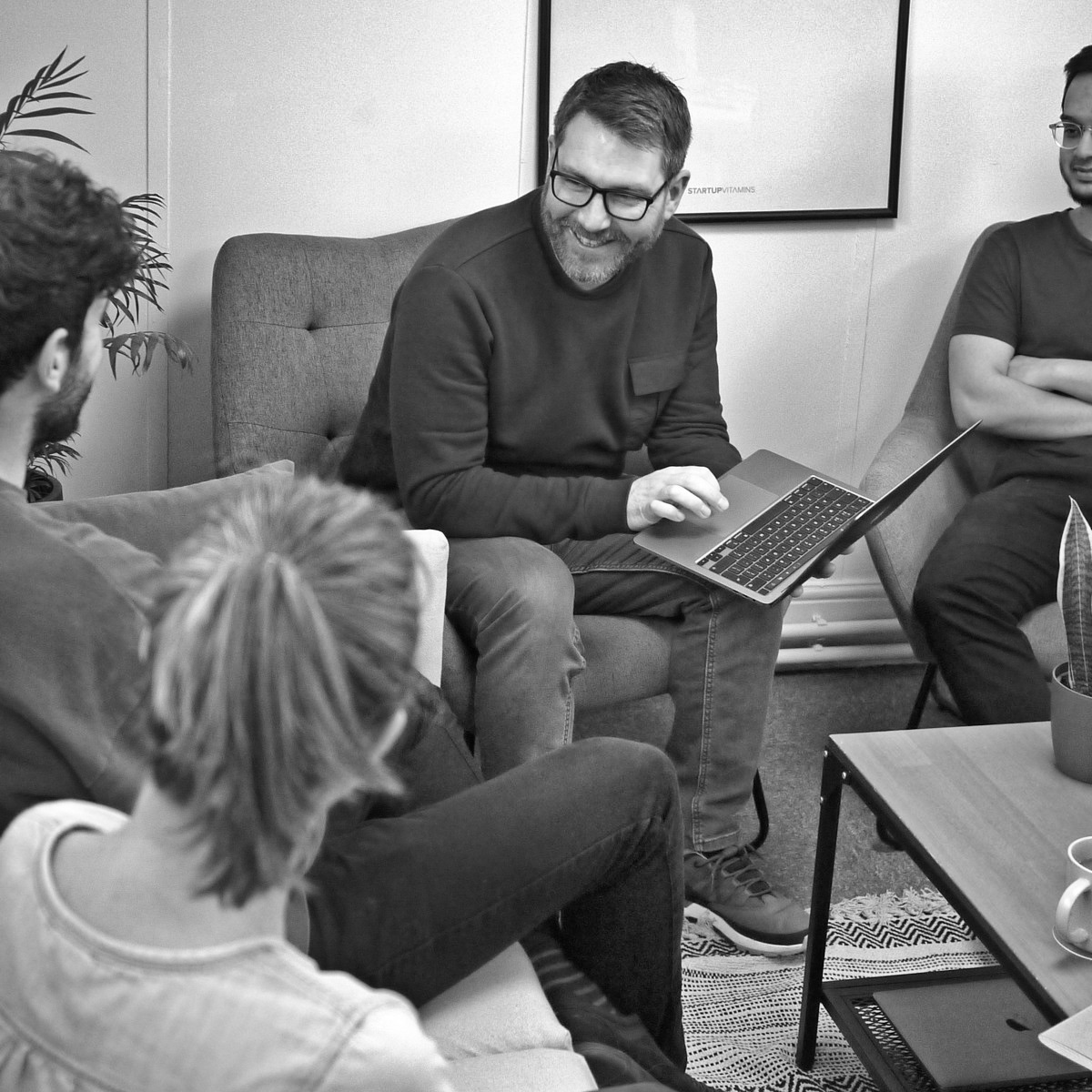
The Azuki team smiling and gathered together, ready to build and collaborate with clients.

Ready when you are

Let’s build something together

Whether you’re starting fresh or looking to improve things, we’re ready to talk.